
The Genre That Broke the Dictionary
Romantasy officially entered Merriam-Webster’s dictionary in 2025. Let that sink in. We’ve moved past the phase where literary gatekeepers roll their eyes at the term. It’s real now. Legitimate. The genre that BookTok spent years building in the shadows finally got its ceremonial stamp of approval, and honestly, I’m fascinated by what that means for how we talk about stories that refuse to choose between love and world-ending conflict.

The numbers tell a story too. Seven of the top twenty bestselling fiction books in the US last year were romantasy titles. Sarah J. Maas’s existing catalog alone generated roughly fifty million dollars annually. These aren’t niche numbers. This is market dominance. Publishers like Tor, Orbit, and Berkley responded by treating romantasy debuts like lottery tickets worth six figures minimum in advance offers. The industry shifted. Fast.
What I Actually Read (All of It)
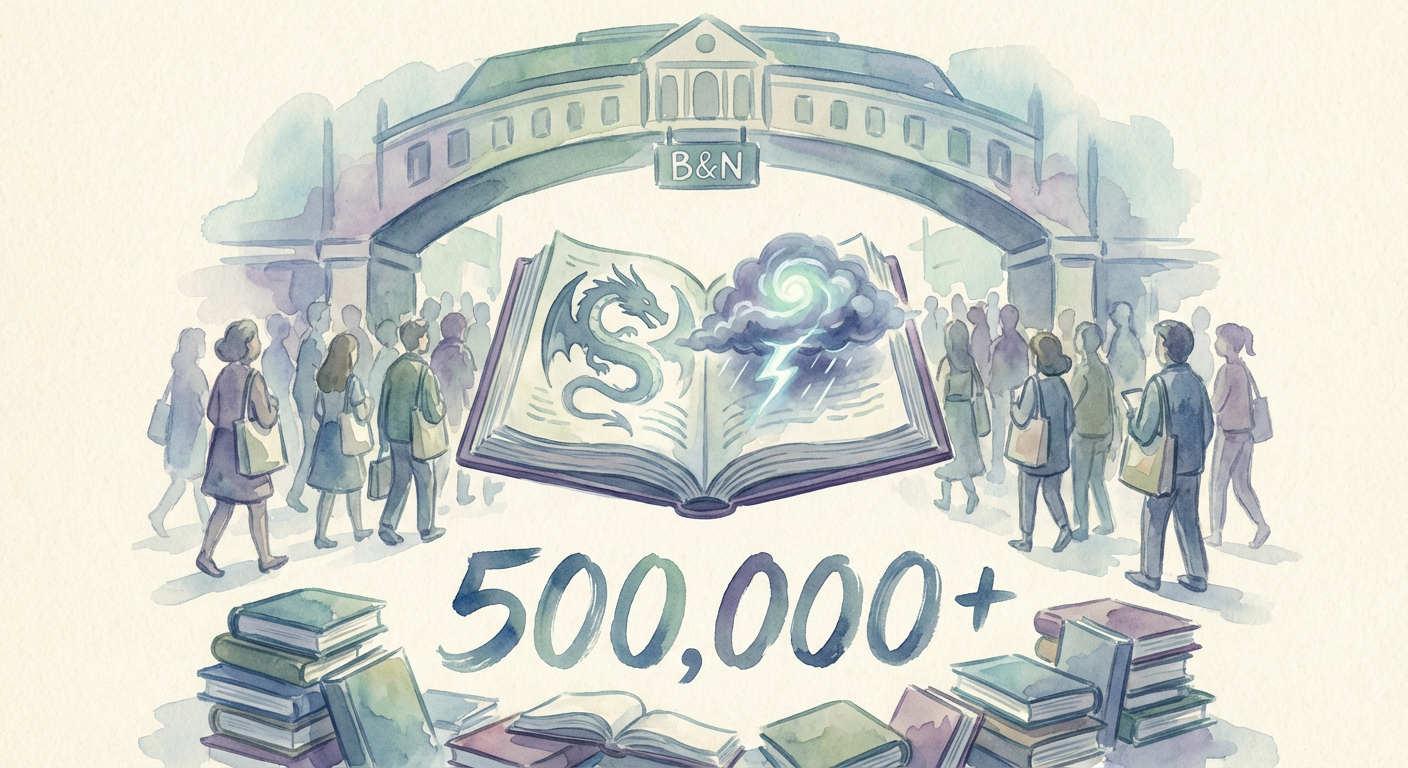
I committed to this ranking the way someone commits to a kitchen renovation. I read the obvious titans. Rebecca Yarros’s Onyx Storm by Rebecca Yarros on Goodreads broke Barnes & Noble’s single-day pre-order records when it dropped in January. Over five hundred thousand copies in the first week. The hype was not theoretical. I read the mid-list entries that nobody talks about at publishing parties. I read the debuts that landed six-figure deals and then disappeared from shelves within months. I read the translated romantasy that literary Twitter pretended didn’t exist. I read experimental takes on the formula. I read books that felt like they were written by algorithm and books that felt like love letters.
The Goodreads 2025 Reading Report noted that romantasy shelf additions grew one hundred twelve percent compared to 2023. We’re talking about sustained momentum, not a blip. The genre wasn’t just popular in January anymore. It stayed popular. It mutated. It expanded into subgenres I didn’t know I needed to understand.
The Ranking (Controversial Opinions Included)
First tier belongs to the books where literary merit and emotional resonance actually align, and I’m putting them there without apology. These are books that treated magic systems and romance with equal architectural rigor. Not guilty pleasures. Books that will age well because they respect both their components. They understand that a romance isn’t padding in a fantasy novel and a fantasy world isn’t just scenery for a love story. The best romantasy I read this year played with power dynamics in ways that felt genuinely earned. The protagonists wanted each other while actively fearing what wanting each other might cost them politically, personally, magically.
The second tier contains the books that absolutely understood their audience and delivered exactly what was promised. These are the romantasy novels that function like comfort food but aren’t lazy about execution. They have formula. They know their formula. They execute that formula with such precision that you respect the craftsperson even when you can predict the plot beats. Plot predictability isn’t a flaw in this category. It’s a feature. You know a marriage of convenience will become love. You know the underdog will win. You know the final battle arrives in the last third. The skill is in making you feel something new anyway.
The third tier is where I get personally unhinged. This is where I put books I think will deserve obscurity. Not because they’re poorly written. Because they’re generically well-written in ways that don’t justify their existence. They’re competent. Readable. They hit every mark on a romantasy checklist. But they don’t interrogate anything. They don’t surprise anyone. They don’t whisper ideas that might stick with you in three months. They’re the literary equivalent of algorithmic music. Technically sound. Completely unmemorable.
What This Ranking Actually Means
I keep thinking about literary archaeology. Ten years from now, someone will go through 2025’s romantasy releases and ask which ones lasted. Which ones people reread. Which ones showed up in literary journals not as guilty pleasures but as actual touchstones for how contemporary fiction changed. My guess is that the truly excellent entries will be discovered by accident. Someone will pick up a book because the cover caught their eye. They’ll recommend it to exactly one friend. That friend will tell two people. The book will build a quiet reputation that contradicts the contemporary hype machine entirely.
The books that don’t deserve remembering will fade because they served their moment. They were the right book at the right time for the right audience. That’s genuinely valuable. That doesn’t make them timeless. I’m not interested in pretending that commercial success and artistic longevity are the same thing. They’re not. They rarely are. The challenge with ranking romantasy in 2025 is that we’re still too close to the moment. The hype hasn’t settled. The market dominance hasn’t cooled. Fifty million copies in a single author’s backlist is a real phenomenon that deserves serious examination, not dismissal.
Where We Go From Here
The genre isn’t going anywhere. The dictionary definition means that textbooks will eventually have to acknowledge romantasy as a legitimate category. That professors will assign it. That literary criticism will develop frameworks around it instead of just applying existing fantasy and romance vocabulary. We’re watching the birth of a scholarly infrastructure in real time. It’s oddly beautiful to witness.
What I’m genuinely curious about now is mutation. Romantasy in 2025 looks different than it did in 2023. Authors are playing with queer relationships, disability representation, neurodivergence, and political complexity in ways that feel like they matter. Not performative representation. Structural representation. Plots that actually change based on these elements. I want to see where this goes when the gold rush settles. When debuts aren’t selling for six figures automatically. When the pressure to be the next massive phenomenon relaxes and artists can just make weird, specific, risky romantic fantasies again.
Tell me which romantasy books genuinely stuck with you. Not the ones you read because everyone was talking about them. The ones that surprised you. The ones you didn’t expect to care about but did. The ones you’ll still be thinking about in 2027. I’m building a different kind of ranking in my head, one based on staying power instead of 2025 dominance. Send recommendations. Send dissent. Send the romantasy that broke your heart in ways you weren’t prepared for.