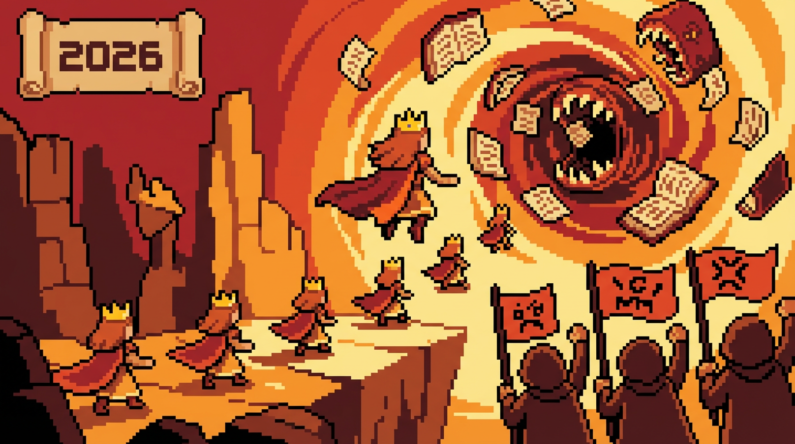
The 600% Explosion That Nobody Asked For
Something broke in romantasy around 2023. What had been a thriving, if somewhat predictable, corner of publishing exploded into absolute saturation. According to the Publishers Weekly 2025 genre fiction report, the romantasy category saw over 400 titles published between 2023 and 2025 alone. Compare that to the 2019-2021 period, when the same category managed roughly 60 titles across three years. That’s not growth. That’s panic-driven flooding.
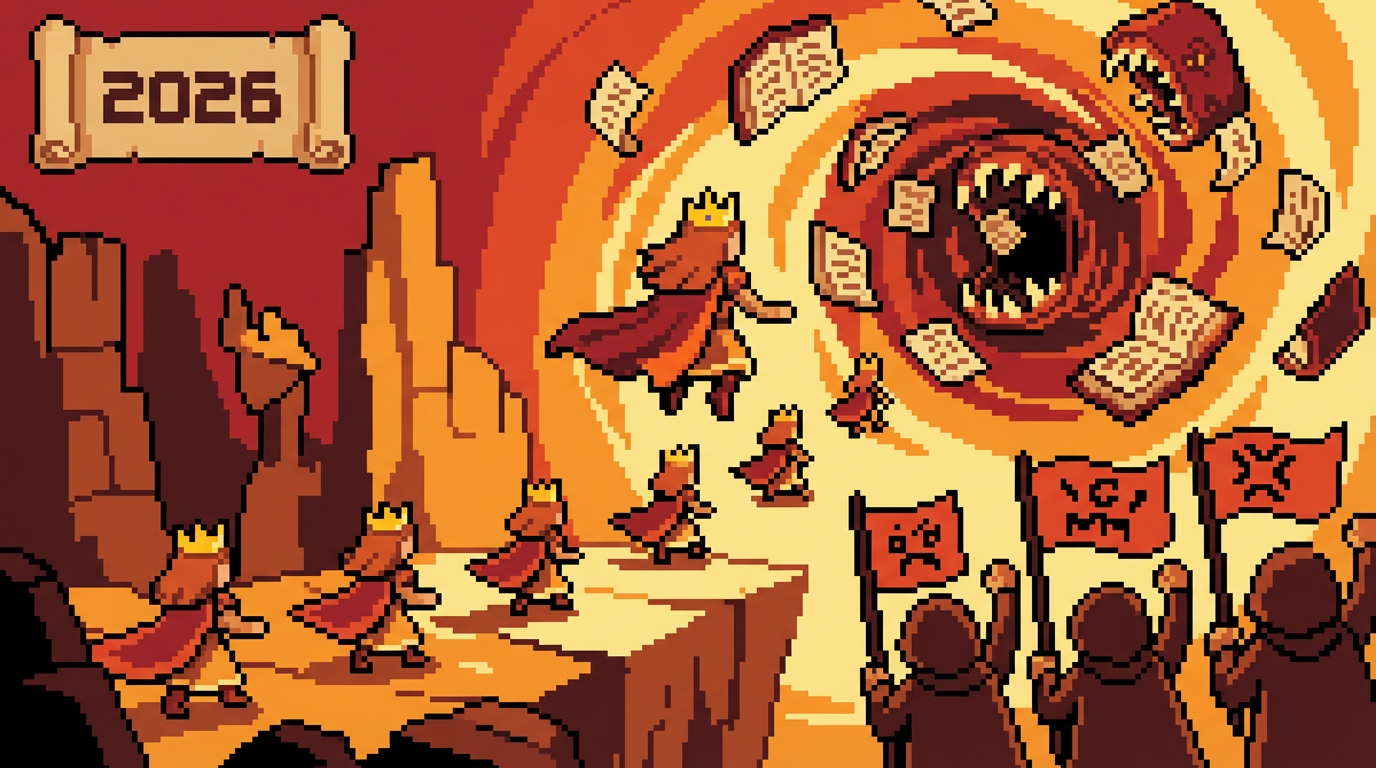
Publishers saw what Sarah J. Maas had built. By 2025, her combined series had surpassed 50 million copies in worldwide sales according to Bloomsbury Publishing investor reports. Fifty million. The math was irresistible: one author, multiple massive series, readers who returned again and again. So every imprint with a fantasy list green-lit their version of the formula. Fae courts. Chosen ones. Love triangles as plot devices. Trauma as characterization. Rinse, repeat, ship to bookstores.

When Readers Started Keeping Score
The backlash didn’t announce itself with think pieces. It showed up in the numbers. Last year’s Goodreads Choice Awards data revealed that romantasy readers left negative reviews at rates 31% higher than any other genre category, and the criticism centered on one word: formulaic. Not bad. Not poorly written. Formulaic. Readers had seen this story before. Multiple times. In many cases, dozens of times.
What’s interesting is that these readers aren’t abandoning romance. They’re not suddenly rejecting fantasy. They’re rejecting the specific shape that romantasy has settled into. The brooding male love interest with a dark past. The female protagonist who discovers she’s special, usually through a man. The court politics that function as window dressing for the real plot, which is always, always the relationship. These aren’t flaws in individual books. They’re the genre’s skeleton.
When you’re reading your tenth book with a heroine who’s been attacked and must now live with her powerful captor-turned-lover, something shifts in your brain. You start noticing the beats before they happen. You predict dialogue. You recognize the exact moment the story will pause so the couple can have sex while the world burns outside. And eventually, you close the book and wonder why you’re spending your limited reading time on something that feels like it was assembled from a template.
BookTok Burns It Down
The real turning point came in late 2025 when BookTok creators with massive followings started the #PostRomantasy movement. These weren’t haters. They were power-users who’d consumed romantasy voraciously and hit a wall. They began posting recommendations for dark academia, literary horror, gothic fantasy, and psychological thrillers as palate cleansers. The hashtag exploded to over 400 million combined views.
What made this matter wasn’t just the volume. It was the curation. These creators weren’t saying romantasy is bad. They were saying: if you’ve read everything in this lane and felt empty, here’s what filled that space for me. They shared specific reasons for pivoting. Too many books felt like they were written to trend rather than to tell a story. Too many featured protagonists whose entire personality orbited around their romantic relationship. Too many treated character growth as something that happened between kisses.
This wasn’t generic backlash. This was informed readers exercising taste. They’d spent real money and real time. They wanted something different. And the market listened.
Publishers Quietly Acknowledge the Problem
You don’t need to read between the lines when publishers start using phrases like “romantasy-adjacent but subversive” in their official acquisitions announcements. In early 2026, both Tor Books and Orbit began signaling a shift in what they were willing to acquire. The language was careful, measured. But the message was clear: we know the genre is tired. We’re looking for something that plays with the form rather than repeating it.
This is what editorial awareness of genre fatigue looks like in practice. Publishers aren’t abandoning romantasy. They’re searching for its next iteration. They want books that have the elements readers loved when the genre was fresh, but filtered through something new. Unreliable narrators. Subverted power dynamics. Plots where the romance genuinely creates stakes rather than explaining them.
The question now is whether new writers entering the space can resist the gravitational pull of the template. It’s easier to write what’s already selling. It’s safer. But readers have spoken loudly enough that easy and safe might finally cost more than they earn.
What Comes Next?
Romantasy isn’t dying. Genres don’t die that cleanly. What’s happening is more interesting: readers are developing immune systems. They’ve built tolerance to the standard formula. This means the next wave of romantasy has to work harder. It has to earn its length. It has to justify its love story. It has to offer something beyond the reassurance of a familiar arc.
Some writers will manage this. They’ll take what works about romantasy and remix it with genuine innovation. Some will double down on formula and capture readers who still want exactly that. But the golden era of selling any book with a fae court and a slow burn is genuinely over.
If you’re a romantasy reader who’s been feeling that fatigue, this is actually good news. It means the industry is finally listening to what you’ve been trying to tell them. The genre isn’t broken. You’re just ready for it to be more than it has been. What books have you picked up recently that scratched an itch the standard romantasy templates couldn’t reach? I’d genuinely love to know what’s working for readers who are in this transitional space.